Bale Collision Center announced an expanded focus on collision repair standards at its Downtown facility as vehicle manufacturers continue introducing advanced technologies, specialized materials, and evolving repair requirements.
According to the company, modern collision repair involves significantly more than restoring visible vehicle damage. New vehicle designs often incorporate advanced driver-assistance systems, integrated electronics, sensors, cameras, and structural components that require detailed inspections and repair planning following an accident.
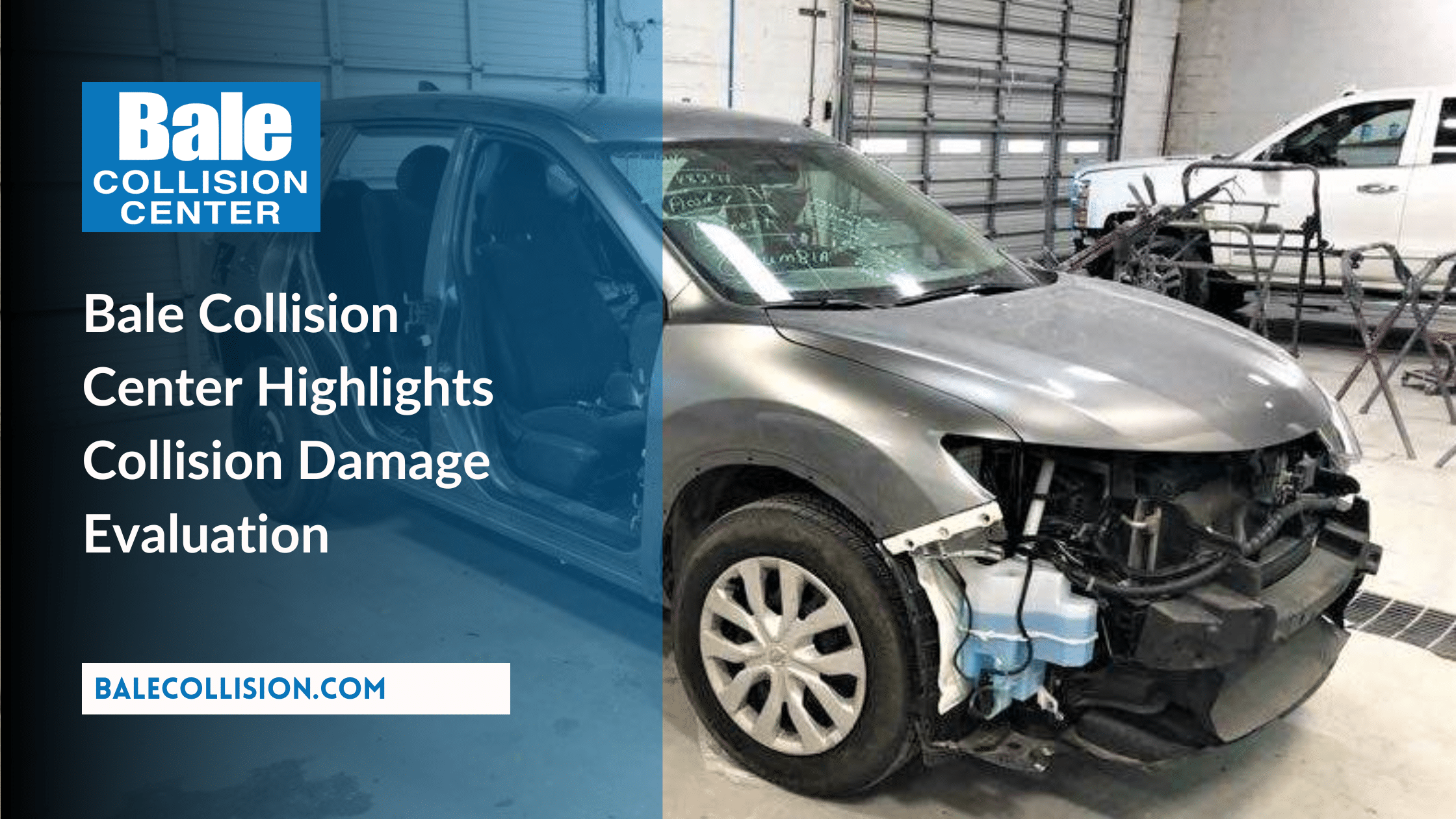
Bale Collision Center provides collision repair services for vehicles ranging from minor impact damage to more extensive structural repairs. The company states that repairs begin with a comprehensive evaluation intended to identify visible damage as well as conditions that may not be immediately apparent during an initial inspection.
"Vehicle repair procedures continue evolving alongside vehicle technology," said a representative of Bale Collision Center. "Proper repair planning, inspections, and documentation play important roles in helping ensure repairs align with current industry and manufacturer standards."
The company notes that collision repair may involve structural repairs, panel replacement, refinishing operations, suspension inspections, glass replacement, wheel alignment verification, and post-repair quality-control procedures. Repair recommendations vary depending on vehicle construction, accident severity, and manufacturer guidance.
According to Bale Collision Center, repair planning helps establish the scope of repairs necessary following a collision. Hidden damage may affect structural components, safety systems, or vehicle performance features that require additional assessment before repairs can proceed.
The company states that modern collision repair frequently involves documenting damage throughout multiple stages of the repair process. Initial inspections may identify visible damage, while additional findings can emerge during vehicle disassembly and repair planning. These evaluations help establish a more complete understanding of the repairs required to restore the vehicle.
Bale Collision Center notes that repair planning may also involve reviewing vehicle-specific repair information, documenting affected components, and evaluating how collision forces may have impacted surrounding areas. This process helps technicians determine appropriate repair recommendations based on the vehicle's design and condition.
The company also emphasizes communication throughout the repair process. Vehicle owners frequently have questions regarding insurance coordination, repair timelines, parts availability, and repair recommendations. Bale Collision Center says ongoing communication helps customers better understand each stage of the repair process.
According to the company, maintaining communication becomes particularly important when supplemental damage is discovered after repairs begin. Additional findings can influence repair timelines, replacement part requirements, and repair recommendations. Providing updates throughout the process helps customers remain informed as repairs progress.
As vehicle manufacturers continue introducing new technologies, repair facilities face increasing demands related to technician education, diagnostic capabilities, repair equipment, and manufacturer repair information. The company states that maintaining structured repair standards remains an important part of supporting modern vehicle restoration.
Industry organizations continue emphasizing the importance of proper repair procedures and repair documentation as vehicle construction becomes increasingly sophisticated. Bale Collision Center notes that collision repair facilities must remain informed about changing repair requirements in order to address evolving vehicle technologies.
The company also highlights the role of repair verification procedures before vehicle delivery. Depending on the repairs performed, inspections may include reviewing completed repairs, evaluating component fitment, assessing refinishing quality, and confirming that repairs align with the established repair plan.
The Downtown facility continues serving drivers who require assistance following accidents and collision-related vehicle damage. Through its collision repair services, Bale Collision Center aims to support repair quality, vehicle restoration, and customer confidence throughout the repair process.
More information about collision repair services is available through Bale Collision Center. Additional company updates and announcements are available through Bale Collision Center on Facebook.
About Bale Collision Center
Bale Collision Center provides collision repair, auto body repair, refinishing, structural repair, and vehicle restoration services. The company operates multiple repair facilities and focuses on manufacturer-approved repair procedures, technician training, and customer communication throughout the repair process.
###
For more information about Bale Collision Center, contact the company here:
Bale Collision Center (Downtown)
Jason Spiller
(501) 375-0910
jspiller@baleautomotive.com
100 N Cross St, Little Rock, AR 72201, United States