
Toledo Landscaping Company Addresses Fixture Location Decisions That Determine Function and Flexibility
Toledo, United States - January 30, 2026 / Rock Solid Landscape /
Outdoor lighting installations create effects that extend far beyond simple visibility. Fixture placement determines which areas feel inviting after dark, where people naturally gather during evening hours, and how safely they navigate between spaces. Properties with thoughtfully placed lighting support diverse activities and adapt to changing use patterns. Properties with poorly positioned fixtures often have bright spots that glare, dark zones that limit usability, and rigid lighting schemes that don't accommodate different occasions. These outcomes stem from initial placement decisions that seemed reasonable during planning but reveal limitations once families actually use spaces regularly. The company's recent article on outdoor entertaining spaces explores related design considerations that affect how outdoor areas function.
Why Paver Surfaces Deteriorate Without Regular Care
Fixture placement decisions involve multiple competing priorities that aren't always obvious during initial planning. Homeowners typically focus on illuminating specific features or areas without fully considering how lighting affects movement patterns, atmosphere, and practical activities. A light positioned to showcase a garden bed might create glare when sitting on a nearby patio. Fixtures placed for pathway safety might produce harsh shadows that make navigation feel uncomfortable rather than secure.
The issue compounds because outdoor lighting serves multiple purposes simultaneously. It needs to provide functional task lighting for cooking and dining areas, ambient lighting that creates comfortable atmosphere, accent lighting that highlights landscape features, and safety lighting that defines edges and changes in elevation. Balancing these different functions requires understanding how people actually use outdoor spaces rather than simply illuminating everything evenly.
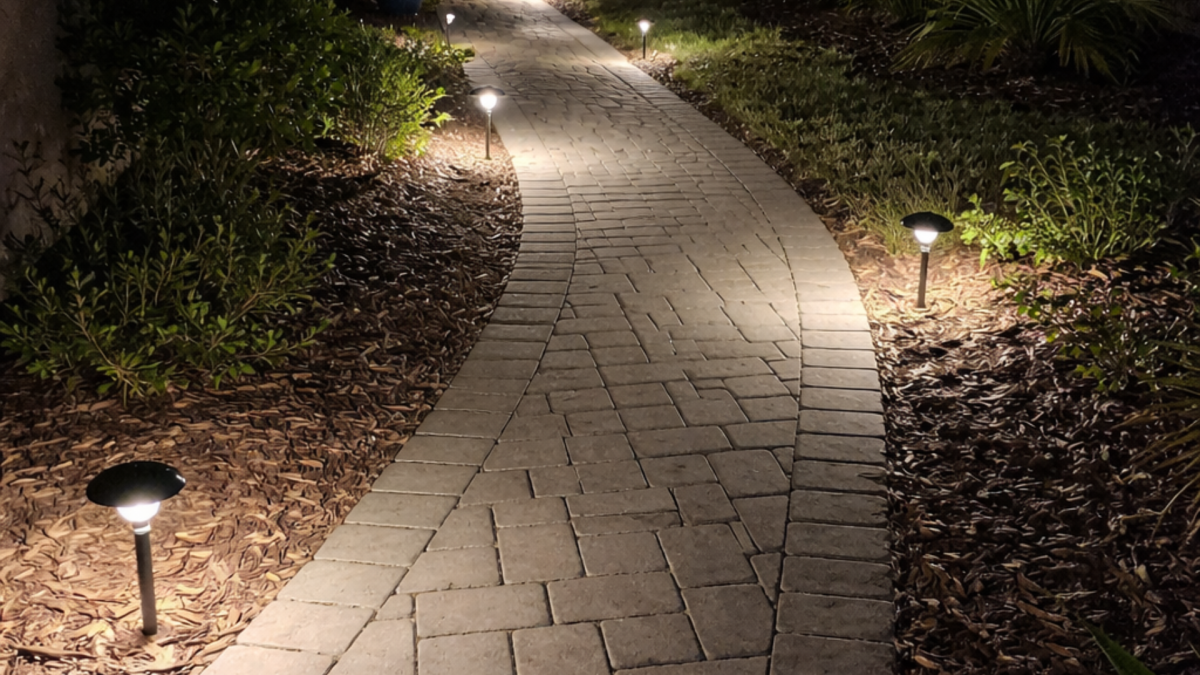
Fixture height and beam angle dramatically affect results but often receive insufficient attention during planning. Low-mounted path lights create different effects than post-mounted fixtures at waist height. Down lights mounted in structures produce distinct lighting quality compared to up lights positioned at ground level. Each approach suits certain applications better than others, but these distinctions aren't immediately apparent to homeowners planning first outdoor lighting systems.
Control flexibility becomes important as use patterns evolve. Lighting that works well for quiet family dinners may be too bright or too dim for larger gatherings. Spaces used primarily for adult entertaining have different lighting needs than areas where children play. Systems without adequate zoning or dimming capability can't adapt to these varying needs, limiting how comfortably spaces serve different purposes.
How Lighting Placement Impacts Local Property Use
Safety considerations extend beyond simple visibility. Properly placed lighting helps people perceive depth, identify elevation changes, and navigate confidently. Fixtures that create strong contrast or leave gaps in coverage can actually reduce safety by affecting depth perception. Steps, retaining walls, and transitions between surfaces need specific lighting approaches that account for how eyes adjust to light levels and perceive spatial relationships.
Atmosphere quality affects how much time families spend in outdoor areas. Harsh overhead lighting can make spaces feel institutional. Properly layered lighting creates depth and visual interest that makes areas feel inviting. The difference influences how often spaces get used and how long people choose to stay outdoors during evening hours.
Activity support varies based on fixture placement. Cooking areas need focused task lighting at proper heights and angles to illuminate work surfaces without creating glare. Dining areas benefit from softer lighting that allows comfortable conversation without harsh shadows on faces. Seating areas need lighting that provides enough visibility for movement while maintaining comfortable ambient levels.
Landscape integration affects daytime appearance and nighttime function. Fixtures poorly integrated with landscape design become obvious during daylight and may conflict with hardscape or planting layouts. Well-integrated fixtures disappear visually during day while effectively highlighting landscape features at night.
Maintenance access requirements differ based on fixture locations. Lights positioned in plant beds require ongoing access for bulb replacement and adjustment as plants grow. Fixtures in high-traffic areas experience more wear. Planning that considers long-term maintenance needs prevents situations where fixture service becomes difficult or where damaged lights remain unfixed because access is inconvenient.
Energy efficiency and operational costs relate directly to fixture count and placement. Thoughtful placement allows fewer fixtures to accomplish goals effectively. Poor placement often leads to adding more fixtures to compensate for initial inadequacies, increasing both installation and operating costs.
How Rock Solid Landscape Evaluates Lighting Needs
Rock Solid Landscape assesses how properties will be used before recommending fixture locations. The company discusses typical activity patterns, entertaining frequency, safety concerns, and which areas need illumination for practical reasons versus aesthetic enhancement. This assessment reveals priorities that guide placement decisions.
The company explains how different fixture types and locations produce distinct effects. Understanding these relationships helps property owners visualize results before installation. This includes discussing beam angles, mounting heights, and how lighting layers combine to create overall effects.
Rock Solid Landscape coordinates lighting plans with hardscape layouts and landscape features. Patios, walkways, outdoor kitchens, and seating walls all influence optimal fixture placement. Planning these elements together creates cohesive designs where lighting enhances rather than conflicts with other features. Additional information about integrated design approaches is available on the company's website.
The company discusses control options and zoning strategies during planning. Properties benefit from ability to adjust lighting for different occasions and activities. Understanding these options during design allows wiring and fixture placement that supports flexibility without requiring future modifications.
Practical Considerations for Toledo Properties
Toledo area properties experience seasonal use pattern variations that affect lighting needs. Spaces used year-round require different lighting approaches than areas primarily used during warmer months. Understanding these patterns helps identify which areas justify more extensive lighting investment.
Property layouts in the region often include mature trees that create shade patterns and influence fixture placement options. Trees affect both where light is needed and where fixtures can be positioned effectively. Working with existing landscape features creates more natural integration.
Local architectural styles influence appropriate fixture selections and mounting approaches. Lighting that complements home style creates visual coherence between structure and landscape. Rock Solid Landscape's outdoor lighting services address diverse property types and architectural contexts throughout Toledo.
Entertaining patterns vary by household but influence lighting priorities significantly. Properties hosting frequent gatherings benefit from flexible lighting systems with multiple zones. Properties used primarily by immediate family may prioritize functional lighting with simpler controls.
Serving Toledo Area Properties
Rock Solid Landscape addresses outdoor lighting questions for properties throughout Toledo. The company's work involves evaluating how different areas will be used and recommending fixture placements that support those uses. This includes explaining why certain locations work better than alternatives and what tradeoffs different approaches involve.
The company discusses lighting projects through completed examples that show how fixture placement affects real-world results. Seeing installed systems helps property owners understand how design decisions translate to actual outdoor experiences. Toledo homeowners connect with this established outdoor living resource for information about lighting planning and placement strategies.
Rock Solid Landscape explains phasing approaches for larger lighting projects. Some properties benefit from installing complete systems initially. Others work better starting with priority areas and expanding as budgets allow or as use patterns clarify needs. The company discusses advantages of different approaches based on individual circumstances.
Understanding Lighting Within Broader Outdoor Planning
Outdoor lighting placement connects to nearly every other outdoor space decision. Fixture locations affect hardscape layouts, planting positions, and how areas flow together. Properties planning multiple improvements benefit from considering lighting during initial design stages rather than treating it as an afterthought. This integration allows electrical infrastructure and fixture mounting points to be incorporated cleanly during construction rather than added later with compromises.
Lighting decisions made during planning stages preserve flexibility and avoid limitations that surface when families discover how they actually want to use spaces. Systems designed with input about realistic use patterns adapt better to evolving needs than systems based on assumptions about outdoor living that may not match real behavior.
Understanding how fixture placement affects both immediate function and long-term flexibility helps property owners make lighting decisions that continue serving well as families grow and outdoor use patterns change. Rock Solid Landscape can be reached at (419) 333-8311 to discuss outdoor lighting placement that aligns with specific property layouts and anticipated use patterns.


Contact Information:
Rock Solid Landscape
5242 Angola Rd #45
Toledo, OH 43615
United States
Contact Rock Solid
https://myrocksolidlandscape.com/

Original Source: https://myrocksolidlandscape.com/media-room-toledo/