What Causes Ice Dams? Understanding the Hidden Roof Conditions That Lead to Winter Damage
United States - January 30, 2026 / Ice Dam USA /
Across colder regions of the United States, winter weather has long posed challenges for homeowners. But in recent years, one issue has drawn increasing attention from building experts, insurers, and property managers alike: ice dams. Often mistaken for harmless icicles or seasonal buildup, ice dams can quietly cause extensive roof, insulation, and interior damage before problems become visible.
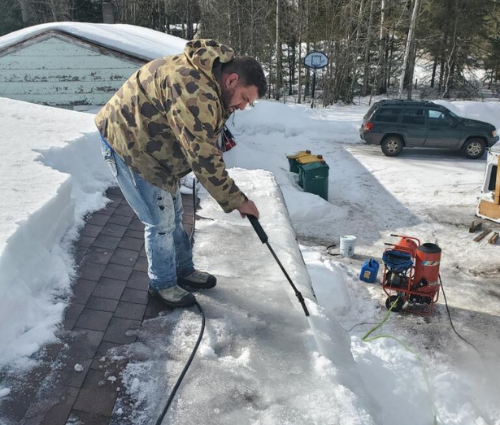
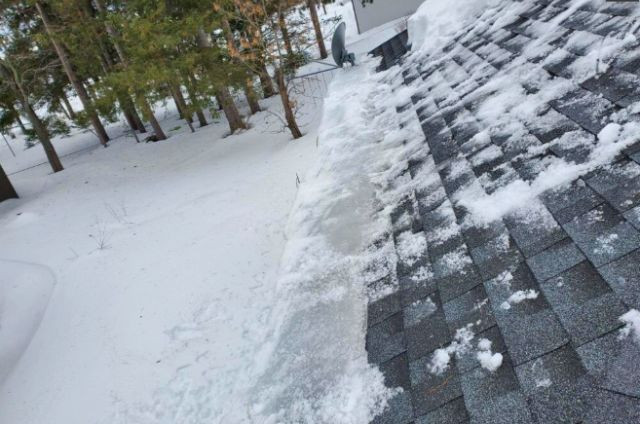
Ice dams occur when snow on a roof melts and refreezes at the edges, forming a barrier that traps water behind it. That pooled water can seep beneath shingles, leading to leaks, mold growth, and long-term structural issues. According to insurance industry estimates, winter-related water damage results in billions of dollars in claims annually, with ice dams playing a significant role in colder climates.
An educational resource published by Ice Dam USA outlines the mechanics behind this process, explaining how everyday factors—such as attic insulation gaps, air leaks, and uneven roof temperatures—can set the stage for ice dam formation. The analysis highlights that ice dams are not simply a result of heavy snowfall, but of heat escaping from a home and warming sections of the roof unevenly. More detail can be found in the article, What causes ice dams, which breaks down the phenomenon step by step.

A Seasonal Issue With Growing Relevance
Meteorologists and climate researchers note that many regions are experiencing more frequent freeze-thaw cycles during winter months. These temperature swings—where daytime melting is followed by overnight freezing—create ideal conditions for ice dams to develop. Homes built decades ago, before modern insulation standards were common, may be especially vulnerable.
“Ice dams are often misunderstood as a roof problem alone, when in reality they’re a whole-house issue,” said a representative from Ice Dam USA. “Heat loss from living spaces below the roof is one of the primary drivers, which means the warning signs often exist long before winter arrives.”
The educational piece emphasizes that ice dams can affect both older and newer homes, particularly when ventilation systems are blocked or insulation has settled over time. Tree-lined neighborhoods and north-facing rooflines may face additional risk due to limited sunlight and slower snowmelt.
Why Awareness Matters
Experts stress that early awareness is key. By understanding how ice dams form, homeowners can better recognize risk factors such as uneven roof snow patterns, persistent icicles, or unexplained winter leaks. Preventive knowledge not only reduces repair costs but also supports safer living conditions by limiting moisture intrusion and related health concerns.
As winter seasons become less predictable, ice dams are increasingly viewed as a broader housing and infrastructure issue rather than a rare cold-weather anomaly. Educational resources like this aim to shift the conversation from reactive repairs to informed preparedness—helping homeowners protect their properties, preserve structural integrity, and better navigate the challenges of winter weather.

Contact Information:
Ice Dam USA
, MN
United States
Shawn Thompson
(855) 468-4233
https://www.icedamusa.com/