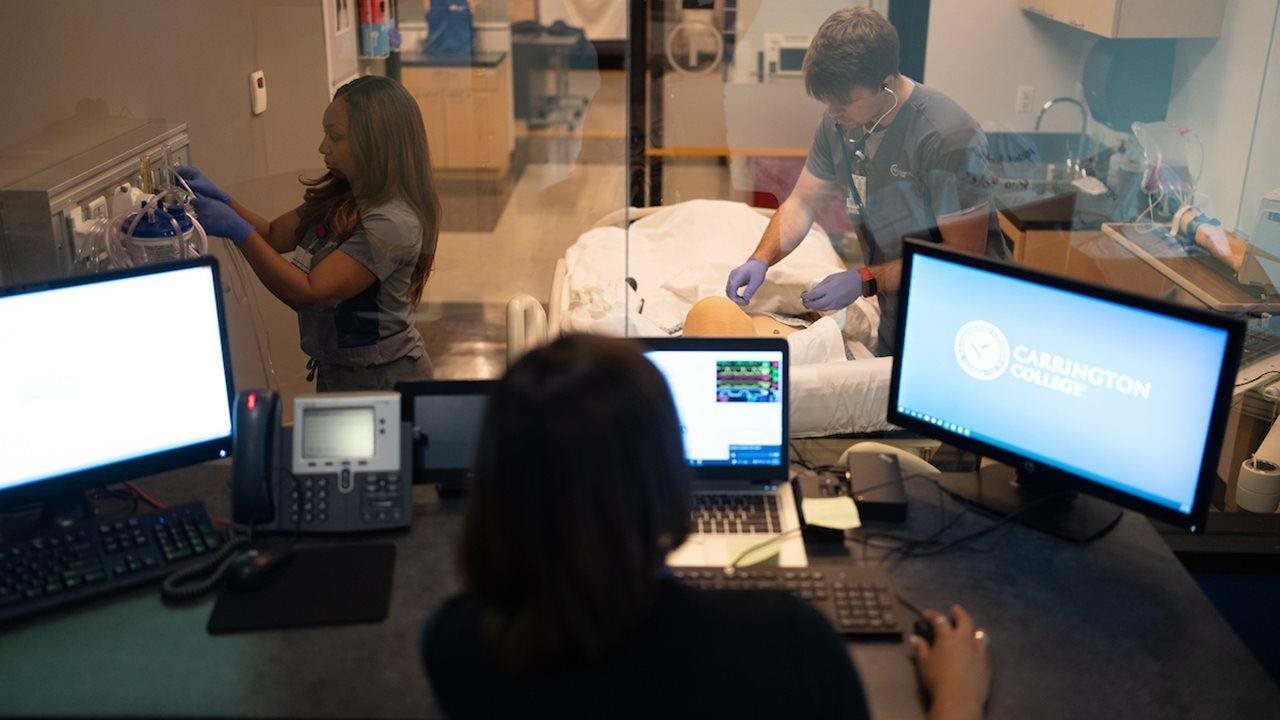
(BPT) - Did you know nursing is the largest segment of the U.S. healthcare profession? What's more, the nursing shortage is growing, with the country facing a projected 189,000 registered nurse openings annually through 2034, largely due to many current nurses approaching retirement age.
In states across the country, the demand for nurses continues to grow as healthcare systems adapt to population growth, an aging demographic and increasing patient needs. These trends are placing added pressure on providers and reinforcing the importance of preparing a new generation of skilled nursing professionals.
With the country's population aging, plus chronic diseases and public health emergencies on the rise, nurses are vital for keeping the healthcare system running smoothly, providing much-needed patient access and reducing wait times for quality care. The nursing profession is also evolving, merging compassionate care with technological advances like telehealth, remote patient monitoring and AI tools.
"Today's nursing careers require a growing range of skills and expertise, including bedside care, clinical assessment and technological proficiency, plus leadership qualities, teamwork, communication and critical thinking," said Dr. Karen Fuss-Sommer, associate provost of Nursing at Carrington College. "The profession also offers numerous work settings, from clinics and hospitals to home care, nursing facilities, schools and more."
For those considering a career in nursing or advancing their career in the healthcare field, National Nurses Month in May is the perfect time to learn about educational programs providing training, knowledge and experience to help you take the next step toward reaching your career goals.
Preparing the next generation of nurses
If you're interested in pursuing the satisfying field of nursing, consider exploring the career-focused nursing programs at Carrington College, an institution dedicated to preparing the next generation of nurses to meet the healthcare demands of their local communities. Programs are offered at campuses in California, Idaho, New Mexico, Arizona, Nevada and Oregon. Program availability varies by campus, but here are some of the options that can help you reach your goals.
Entering the field: Vocational Nursing and Practical Nursing
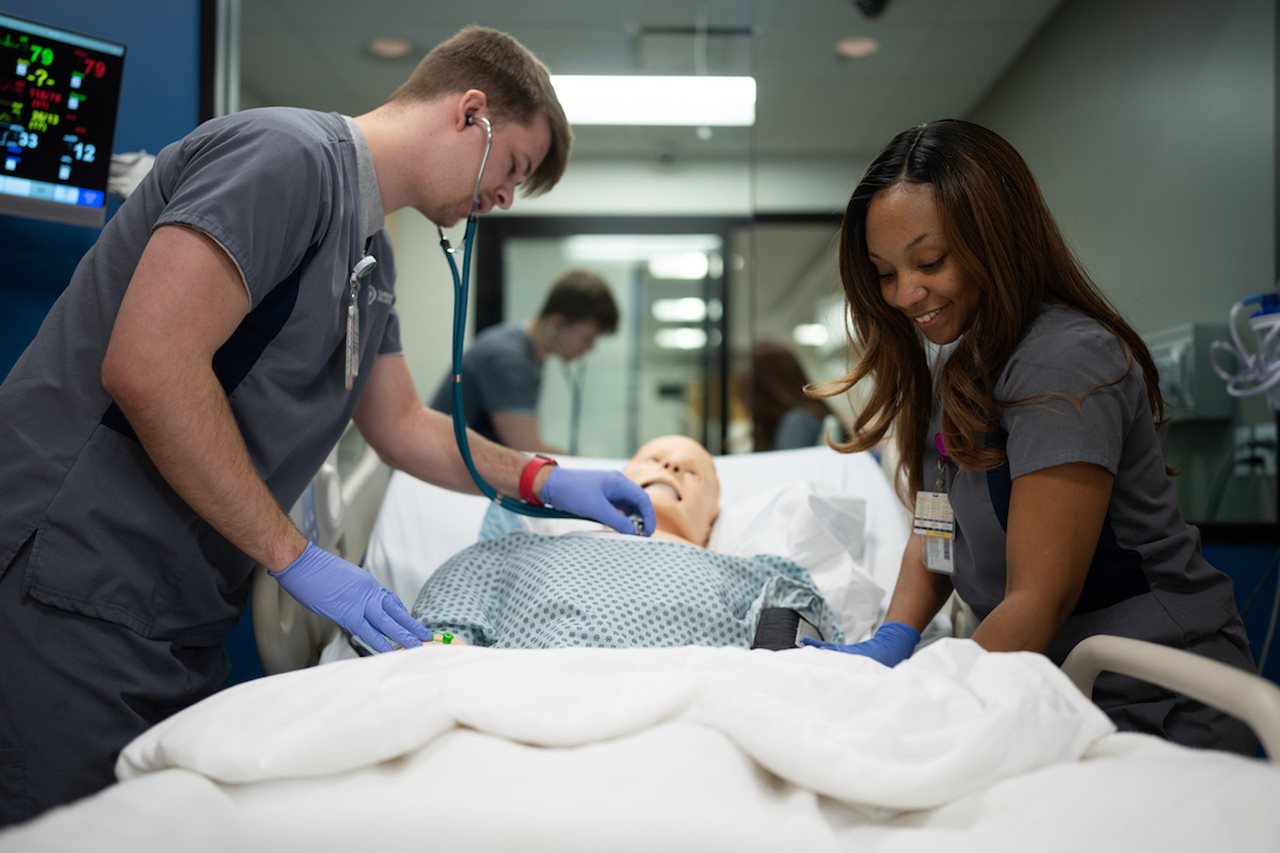
If you're new to nursing or have been working as a Certified Nursing Assistant (CNA), you can prepare for or advance your career through Carrington College's Vocational Nursing program, which provides hands-on training and clinical experience to prepare you for entry-level employment under the guidance of a Registered Nurse (RN) or licensed physician in various healthcare settings. This program is available in Bakersfield, Rancho Mirage, Sacramento, Santa Maria, San Jose and Visalia. Students can earn a Vocational Nursing certificate in as few as 12 months, or an associate degree in as few as 15 months.
One alternative is the similar Practical Nursing certificate Carrington College offers in Boise and Albuquerque, offering a quick path to becoming a practical nurse working under the guidance of RNs and physicians, in as few as 12 months. Upon graduation, you'll be well positioned to take the National Council Licensure Examination for Practical Nurses (NCLEX-PN).[1] Depending on the state where you're licensed to practice, Licensed Practical Nurse (LPN) or Licensed Vocational Nurse (LVN) duties may vary.
"Students need more than textbook knowledge. They need to feel confident in real-world scenarios," said Dr. Fuss-Sommer. "We focus on simulation-based learning and clinical experiences that reflect what they'll encounter on the job, including monitoring patient health, administering basic patient care and keeping patient health records."
Becoming a Registered Nurse
Further along the nursing career path, Carrington College's Registered Nurse Degree program trains students to work within the healthcare delivery system as providers and managers of care, communicators and collaborators, as well as client advocates and educators. The curriculum covers medical-surgical nursing, geriatric and pediatric care, obstetric and neonatal nursing and mental healthcare. An Associate Degree in Nursing (ADN) can be completed in as few as 23 months.
Carrington College also offers Nursing Bridge options to help students transition from an LVN or LPN to become an RN. The program can be completed in as few as 8-12 months and is available in Boise and Sacramento.
"Today's nursing students must be prepared for a healthcare environment that's more complex and technology-driven than ever before," said Dr. Fuss-Sommer. "In addition to clinical knowledge, they need hands-on experience, critical thinking skills and the ability to communicate effectively with patients and care teams."
How to earn a BS in Nursing
For licensed RNs seeking higher-level roles, a Bachelor of Science in Nursing (BSN) program builds on your experience, expanding your skills in leadership, research, patient care and evidence-based practice. A BSN degree can be earned in as few as 15 months, and the program is conveniently available online. As an RN with a BSN, your advanced skills and knowledge can widen your career opportunities.
"Nursing is a rewarding, impactful profession that offers many opportunities for career advancement, and further education is key to that mobility," said Dr. Fuss-Sommer. "With hands-on labs and an evidence-based curriculum, our students gain the skills and expertise they need to take the next step in their careers."
Your next step
With nursing positions available across a wide range of settings nationwide, individuals can pursue paths that align with their interests, while making a meaningful impact in their communities and the lives of others. The healthcare field is more vital than ever, with nurses at the forefront of meeting local healthcare demands.
"Nursing continues to stand out as a career that combines stability with a strong sense of purpose," Dr. Fuss-Sommer said. "If you're motivated, passionate and enjoy helping others, a nursing career may be right for you."
Those interested in exploring nursing career paths can learn more about available programs at Carrington.edu.
Visit Carrington.edu/student-consumer-information for important information on program outcomes.
[1] Carrington College prepares students to take appropriate certification and licensure exams related to their individual majors. The College does not guarantee students will successfully pass these exams or be certified or licensed as a result of completing the program.